

How Long to See Skincare Results: A Timeline
Table of Contents
- How Long to See Skincare Results
- How Long Skincare Products Take to Work by Ingredient
- How to Know If Skincare Is Working
- How Long to Try a New Skincare Product
- How to Track Skincare Progress
- Why Results Vary Between People
- Building Your Routine for Sustainable Results
- Frequently Asked Questions
Last Updated: October 18, 2026
How Long to See Skincare Results
Understanding how long to see skincare results depends on what you're treating and which ingredients you're using, skin operates on its own biological schedule. Understanding your skin's renewal cycle helps you set realistic expectations and stick with products long enough to work. At Liv Beauty, we focus on formulas designed to work with your skin's natural rhythm. You don't need months to see any progress, knowing which effects are fast and which are slow keeps you from abandoning products too soon.
The 28-Day Skin Cell Turnover Cycle
Your skin replaces itself roughly every 28 days. Old cells shed and new cells rise to the surface, which is why skincare takes time to show results.
During the first 28 days of using a new product:
- Surface-level hydration changes appear quickly (days 3-7)
- Texture improvements emerge as dead skin sheds (weeks 2-3)
- Tone evening becomes visible as fresh cells surface (week 4)
- Deeper improvements (fine lines, firmness) need multiple cycles
One 28-day cycle isn't always enough to judge a product. Most experts recommend at least 4-6 weeks, roughly two renewal cycles, before deciding if something's working. The cycle also slows with age: about 28 days in your 20s, stretching to 40-45 days by your 50s, so mature skin sometimes needs longer.
Immediate Effects vs. Gradual Improvement
Some skincare benefits appear instantly. Others take weeks.
Immediate effects (you feel these within hours):
- Hydration and plumping from moisturizers
- Skin feels softer after gentle exfoliation
- Redness calms from soothing ingredients
- Texture feels smoother on the surface
Gradual effects (these take weeks to months):
- Fine lines soften (4-12 weeks)
- Dark spots fade (6-12 weeks)
- Skin tone evens out (4-8 weeks)
- Firmness improves (8-12 weeks)
- Acne clears (4-8 weeks depending on severity)
A hydrating serum plumps fast; age spots and acne need patience, since those actives work gradually as they penetrate deeper layers. That's why layering makes sense: immediate comfort from hydrating products while actives work underneath.
How Long Skincare Products Take to Work by Ingredient
Different active ingredients have different timelines. Knowing what you're using helps you set realistic expectations.
Hydrating Ingredients: Days to Weeks
Hydrating ingredients like glycerin, hyaluronic acid, and panthenol work quickly because they draw moisture in at the surface.
You'll notice:
- Skin feels plumper within hours
- Texture smooths within 1-3 days
- Dullness lifts within a week
- Fine lines appear less pronounced after consistent use (2-3 weeks)
These ingredients don't fix deep problems like acne or dark spots; they create a hydrated base that helps other treatments show more effectively. Panthenol, which appears in Liv Beauty's formulas, supports the moisture barrier and improves texture and radiance over weeks.
Exfoliating Acids and Retinol: 4 to 12 Weeks
Exfoliating acids (glycolic, lactic) and retinol work deeper by increasing cell turnover, faster shedding of dead skin and emergence of fresh cells.
Glycolic acid timeline:
- Surface smoothness: 1-2 weeks
- Visible texture improvement: 3-4 weeks
- Tone evening: 6-8 weeks
- Fine line softening: 8-12 weeks
Retinol timeline:
- Adjustment period (possible irritation): weeks 1-2
- Texture refinement: weeks 3-6
- Fine line softening: 8-12 weeks
- Firmness improvement: 12+ weeks
These ingredients require patience. Start slowly and build tolerance; rushing in with high concentrations often backfires, causing irritation that sets you back. Liv Beauty's Night Renewal Crème includes both glycolic acid and retinyl palmitate, designed for gradual introduction to support texture refinement and soften the appearance of fine lines over weeks.

Brightening Actives: 6 to 12 Weeks
Brightening ingredients like vitamin C, niacinamide, and licorice root address dullness and uneven tone by supporting luminosity and reducing the appearance of discoloration.
Vitamin C timeline:
- Radiance boost: 2-3 weeks
- Dark spot fading: 8-12 weeks
- Overall glow: 6-8 weeks
Niacinamide timeline:
- Pore appearance improves: 4-6 weeks
- Tone evens: 6-8 weeks
- Radiance increases: 2-3 weeks
Brightening is gradual because dark spots and uneven tone live in deeper layers; as new cells surface, discoloration fades. Liv Beauty's Niacinamide Vitamin Boost Serum combines niacinamide, vitamin C, and vitamin B5. Most users notice radiance within 2-3 weeks and more significant tone improvement by week 6-8.
Ingredient |
Timeline |
Best For |
What to Expect |
|---|---|---|---|
Hydrating ingredients |
Days to weeks |
Dryness, dullness, fine lines |
Immediate plumping, gradual texture smoothing |
Glycolic acid |
4-12 weeks |
Texture, tone, fine lines |
Possible irritation first 1-2 weeks, then refinement |
Retinol |
4-12 weeks |
Fine lines, firmness, texture |
Adjustment needed, gradual improvement |
Vitamin C |
6-12 weeks |
Dark spots, dullness, radiance |
Quick glow, slow spot fading |
Niacinamide |
4-8 weeks |
Uneven tone, pores, hydration |
Visible improvement by week 4-6 |
How to Know If Skincare Is Working
Progress isn't always dramatic. Learning to spot real improvement prevents you from abandoning products too soon.
Signs of Progress in Texture and Tone
Look for these specific markers:
Texture improvements:
- Skin feels smoother to the touch
- Bumpy areas flatten out
- Rough patches soften
- Overall surface feels more refined
Tone improvements:
- Complexion looks brighter
- Dark spots appear lighter
- Redness calms down
- Skin looks more even overall
Hydration signs:
- Skin looks plumper
- Fine lines appear less visible
- Skin feels supple
- Dullness lifts
These changes happen gradually, so weekly photos reveal what your mirror misses.
Irritation, Purging, and When to Pause
Not every negative reaction means the product isn't working. Your skin sometimes purges when you introduce active ingredients.
Purging vs. bad reaction:
Purging happens when exfoliating ingredients bring congestion to the surface faster than normal. It looks like increased breakouts. It's temporary (usually 1-2 weeks).
A bad reaction is different. It includes persistent redness, burning, swelling, or rash that doesn't improve. If this happens, stop the product and let your skin calm down.
With glycolic acid and retinol, some irritation is normal at first.
If irritation persists beyond 2 weeks, your skin might not tolerate that ingredient, useful information, not proof skincare doesn't work.
How Long to Try a New Skincare Product
The biggest mistake people make is switching products too fast. You need time to judge whether something works.
The Introduction Phase: Gradual Integration
Introduce new products slowly: it prevents irritation and lets you identify which product caused a reaction.
Best practice for introducing products:
Add one new product every 1-2 weeks and use it consistently for that full period. If you introduce three at once and your skin reacts, you won't know which one caused it.
If the product contains active ingredients, use it 2-3 times per week initially, then increase frequency as your skin adjusts; after 2-3 weeks you can usually move to daily use if appropriate. Keep everything else in your routine the same during this phase, changes to cleansers, moisturizers, or other products muddy the results.
When to Switch Products vs. When to Persist
After 4-6 weeks of consistent use, you have enough data to judge a product. By then, you've seen roughly two full skin renewal cycles.
Keep the product if:
- You see texture improvement
- Tone is evening out
- Skin feels hydrated
- Irritation has calmed
- You notice any positive change
Switch the product if:
- You see no change after 6 weeks
- Irritation persists beyond week 2-3
- Your skin reacts negatively
- The product doesn't feel right for your skin type
One exception: if a product is working but irritating, don't switch immediately. Reduce frequency instead. Use it every other night or twice weekly. Often, your skin adjusts and irritation fades while benefits continue.
Patience pays off: most active ingredients need at least 4-6 weeks to show meaningful results, and switching every 2 weeks never gives anything a fair chance.
How to Track Skincare Progress
Tracking progress keeps you accountable, prevents false conclusions, and makes real improvement motivating to see documented.
Visual Tracking and Photo Documentation
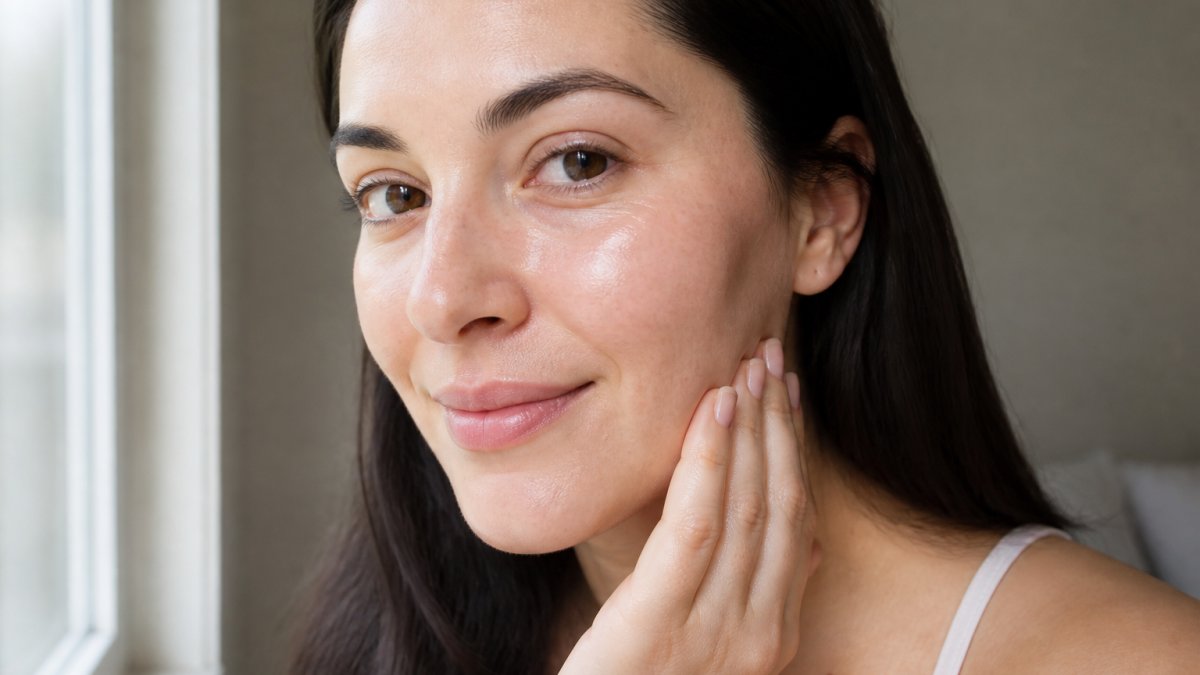
Photos are your best tracking tool. They capture changes you won't notice in the mirror.
How to take tracking photos:
- Use the same lighting every time (natural window light works well)
- Take photos at the same time of day (morning is best)
- Use the same camera or phone
- Photograph the same angles (front, left side, right side)
- Take photos weekly or every two weeks
Store these photos in a folder and after 4-6 weeks compare week 1 to week 4-6. Changes that felt invisible day-to-day become obvious side by side.
Texture, Hydration, and Tone Assessment
Beyond photos, track how your skin feels and looks day-to-day.
Weekly checklist:
- Does skin feel smoother?
- Is hydration lasting longer?
- Are rough patches softening?
- Is tone more even?
- Are breakouts improving?
- Does skin feel irritated?
Rate each on a simple scale: worse, same, better. If most items show "better," the product is working; if everything stays "same" after 6 weeks, it's probably not the right fit. Texture improvements often appear first, hydration changes next, and tone evening and fine line softening take longer, knowing this timeline prevents disappointment.
Why Results Vary Between People
Your results won't match someone else's. Skin type, age, genetics, and lifestyle all affect how quickly products work.
Genetics influence how your skin responds. Some skin is naturally resilient; other skin is more reactive and needs gentler approaches.
Lifestyle factors matter too. Sleep, stress, diet, and hydration all affect skin, and skincare can only do so much if lifestyle isn't supporting it.
Consistency is non-negotiable. Daily use beats three-times-a-week use, and consistency matters more than product choice.
Building Your Routine for Sustainable Results
Results come from consistency, not perfect products, a simple routine you stick with beats a complicated one you abandon.
Keep it simple:
- Cleanser (morning and night)
- Toner or essence (optional but helpful)
- Treatment serum (one active ingredient)
- Moisturizer (day and night)
- SPF (morning only)
This covers the basics; add more later, but too many products overwhelm most people and lead to inconsistency.
Introduce actives slowly. Pick one active to start and master it before adding another, once you've used glycolic acid successfully for 8-12 weeks, consider adding retinol.
Use products consistently. Results require daily application, week after week, skincare isn't like taking a vitamin where one dose helps.
Liv Beauty's Complete Ritual is designed around this principle, pairing cleansing, hydration, treatment, nourishment, and renewal in a simple five-step sequence. Night Renewal Crème supports nighttime renewal; Niacinamide Vitamin Boost Serum brightens and hydrates during the day.

Skincare results take time because your skin operates on a biological timeline, not a marketing timeline.
Frequently Asked Questions
How long does it take to see results from a skincare routine?
Most people notice initial improvements in hydration and skin texture within 1 to 2 weeks of consistent use. More visible changes in skin tone, fine lines, and breakouts typically appear after 4 to 6 weeks as your skin completes its natural renewal cycle. Significant improvements in brightness, firmness, and overall radiance often take 8 to 12 weeks of regular use. The timeline depends on your skin type, the specific products, and how consistently you use them.
How long should I try a new skincare product before deciding if it works?
Give a new product at least 4 to 6 weeks of consistent use before judging its effectiveness. Start by introducing it gradually, especially if it contains active ingredients like acids or retinol, to allow your skin to adjust. Keep it in your routine for the full timeframe even if you experience mild irritation initially, as this can be normal purging. If you develop persistent redness, severe irritation, or allergic reactions, stop use immediately and consult a dermatologist.
How can I track skincare progress and know if my products are actually working?
Take baseline photos of your skin in consistent lighting before starting new products, then photograph weekly or every two weeks at the same time of day. Keep notes on texture changes, hydration levels, and tone improvements. Pay attention to how your skin feels: softer, smoother, more hydrated skin are early signs of progress. Monitor specific concerns like acne, dark spots, or fine lines monthly. A practical tracking method helps you distinguish between natural skin variation and genuine product benefits.
Why do some people see skincare results faster than others?
Results vary based on individual factors including age, skin type, sensitivity level, genetics, diet, sleep, and stress. Younger skin often responds more quickly to actives, while mature or sensitive skin may need longer adjustment periods. Skin concerns like acne or dryness also influence timelines: hydration improvements may appear within weeks, while addressing hyperpigmentation or deep fine lines takes months. Consistent use, proper application, and complementary lifestyle habits accelerate visible results.